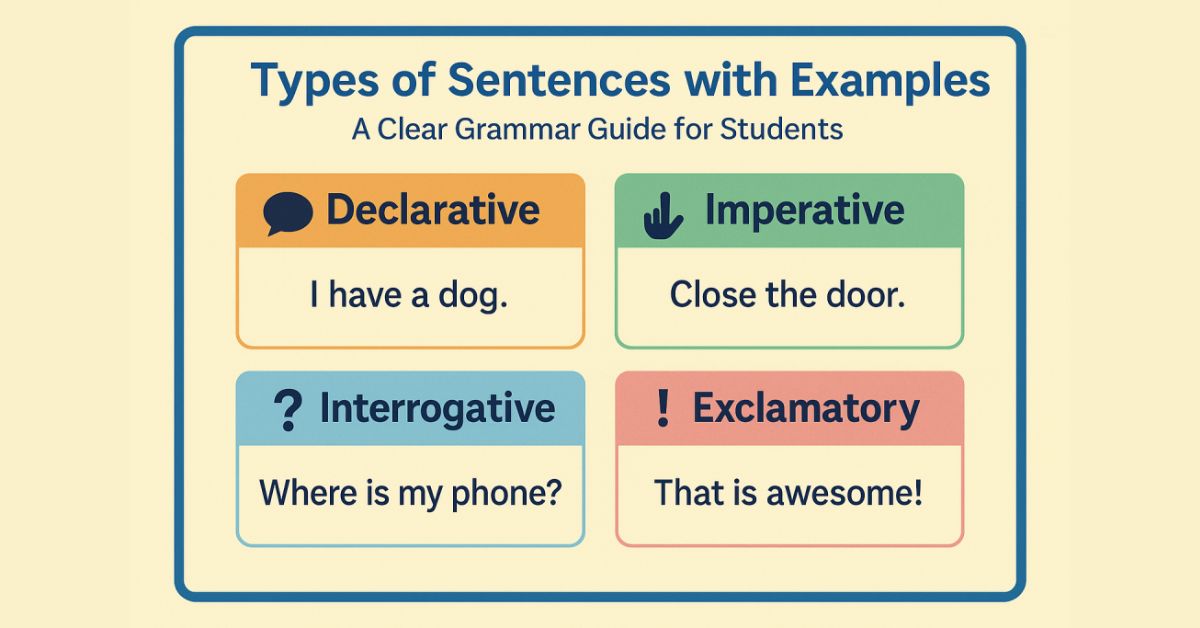
Sentences are the building blocks of communication, allowing us to express thoughts, ask questions, give commands, or share emotions. Understanding the different types of sentences is essential for effective writing and speaking.
By learning how to identify and use declarative, interrogative, imperative, and exclamatory sentences, you can convey your ideas clearly, engage your audience, and add variety to your communication. This guide will explore each type in detail, providing examples and tips for proper usage.
Exploring Compound Sentences in the Types of Sentences:
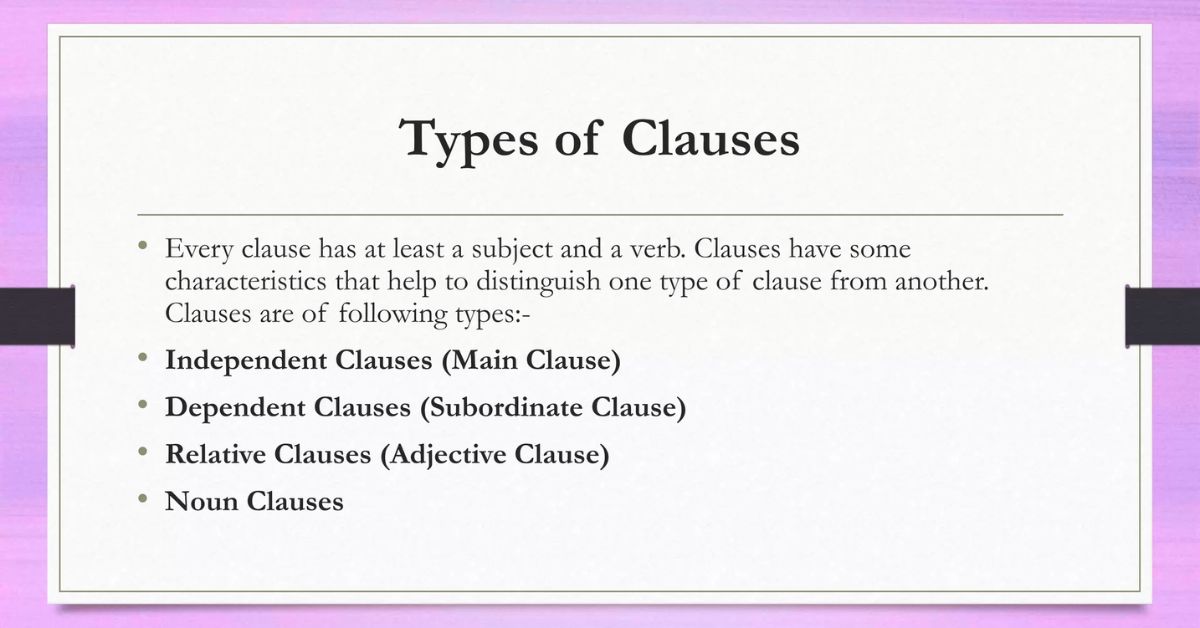
A compound sentence consists of two independent clauses joined together, typically using coordinating conjunctions such as “and,” “but,” or “or.” This structure adds depth and variety to writing, improving the flow and rhythm of ideas. By connecting related thoughts, compound sentences make statements more engaging and encourage readers to consider multiple perspectives.
Example:
- He is poor, but he is honest.
Complex Sentences:
Complex sentences consist of an independent clause paired with one or more dependent clauses. When used skillfully, they turn simple statements into detailed and engaging expressions, allowing readers to understand the relationships between ideas and explore deeper meanings.
Example:
- I went to the doctor because I was sick.
Compound-Complex Sentences:
Compound-complex sentences merge at least two independent clauses with one or more dependent clauses, reflecting the complexity of thought and adding depth to your writing. This layered structure helps convey nuanced ideas and clarify different viewpoints.
To use compound-complex sentences effectively, pay attention to the rhythm and flow of your text. Mixing sentence types keeps readers engaged and encourages deeper reflection on your content.
Interrogative Sentences:
Interrogative sentences are used to ask questions. Learning how to craft effective interrogatives can turn ordinary exchanges into engaging and meaningful conversations.
For example, a carefully framed wh-question like, “What inspired you to pursue your passion?” can spark thoughtful responses. The tone and rhythm of your question also play a key role in shaping the quality of the answer.
Exclamatory Sentences:
Exclamatory sentences convey strong emotions and typically end with an exclamation mark, turning ordinary statements into lively and impactful expressions. For example, rather than saying, “I won the game,” you could exclaim, “I can’t believe I won the game!”—adding excitement and intensity to the moment.
Using vivid imagery and dynamic verbs can further amplify the effect. Instead of “What a beautiful sunset,” try “What a breathtaking explosion of colors painting the sky!” This approach not only heightens the emotional impact but also creates a vivid picture in the reader’s mind.
Declarative Sentences:
Declarative sentences are used to provide information and always end with a period. For example, “The sky is blue” delivers a clear observation while encouraging reflection on the world around us. These sentences allow us to communicate thoughts clearly and confidently.
Beyond simple statements, declarative sentences can shape narratives and guide perspectives. For instance, “The old house stood at the end of the street, shrouded in mystery” informs the reader while sparking curiosity and setting the scene.
Imperative Sentences:
Imperative sentences deliver direct commands or offer suggestions. For example, “Close the door” is a clear command, while “Please pass the salt” makes the request courteous. This versatility lets imperative sentences adjust the tone of formality or familiarity in communication.
Imperatives also engage the reader or listener by prompting action. A motivational example like “Believe in yourself” not only instructs but also inspires and empowers the audience.
Conclusion
Understanding the different types of sentences is essential for effective communication and engaging writing. Declarative, interrogative, imperative, and exclamatory sentences each serve a unique purpose, helping you express ideas clearly, ask questions, give instructions, or convey emotions. By mastering these sentence types and varying your structure, you can make your writing more dynamic, persuasive, and impactful.
Frequently Asked Questions
Q1: What are the four main types of sentences?
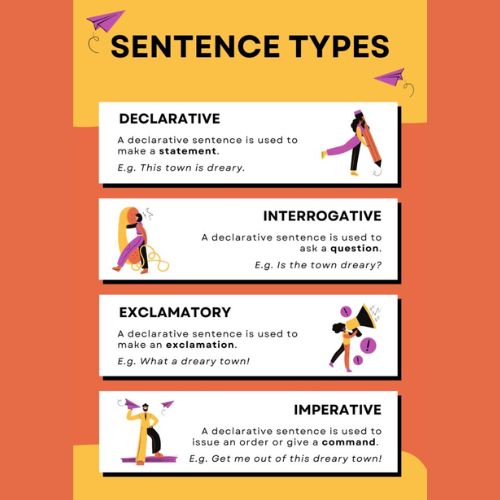
The four main types are declarative (statements), interrogative (questions), imperative (commands or requests), and exclamatory (expressions of strong emotion).
Q2: What is a compound sentence?
A compound sentence combines two independent clauses, often joined by coordinating conjunctions like and, but, or, to express related ideas.
Q3: What is a complex sentence?
A complex sentence contains an independent clause and at least one dependent clause, showing the relationship between ideas.
Q4: How do imperative sentences differ from declarative sentences?
Imperative sentences give commands or make requests, while declarative sentences provide information or state facts.
Q5: Why should I vary sentence types in my writing?
Varying sentence types improves the flow, engagement, and readability of your writing, making it more interesting and persuasive for readers.